 Switzerland Hub
Tactical Analysis of the Nati
The Swiss Nati has attracted attention with consistent performances in recent months. Under the leadership of head coach Murat Yakin, there is a clear tactical direction focused on stability and organization. However, there is room for improvements that could be crucial for success in the upcoming World Cup.
Current Tactics
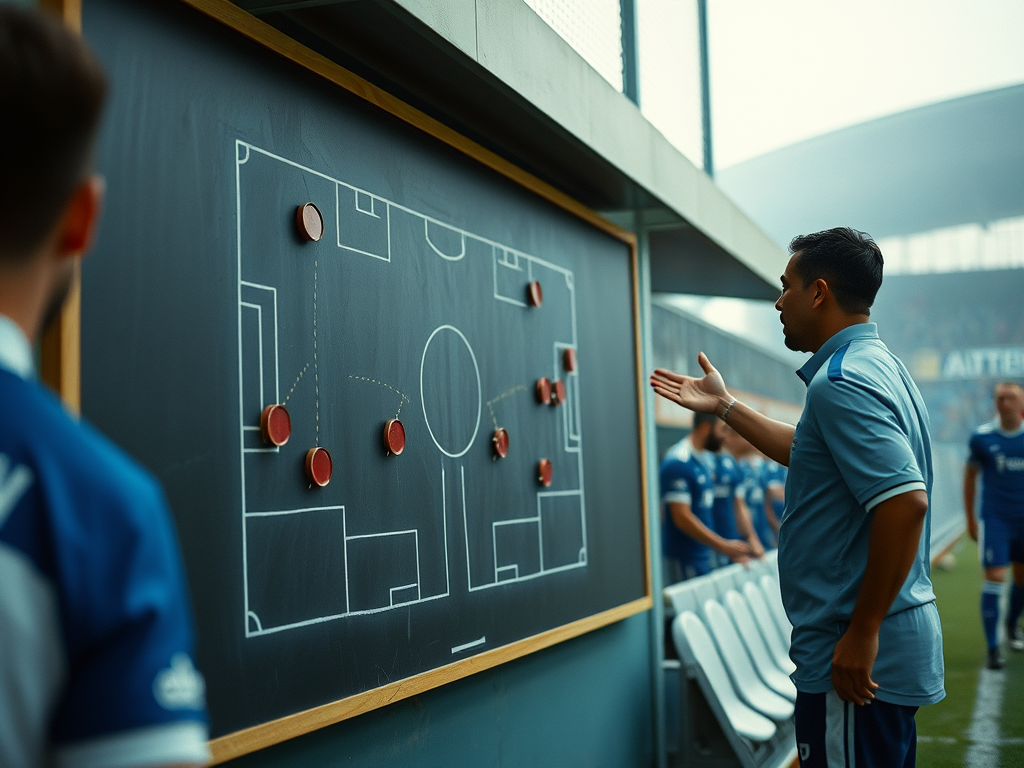
In recent matches, Yakin has frequently employed a 4-2-3-1 system. This formation allows the Nati to maintain a compact defensive stance while also applying pressure through the wings. Players like Breel Embolo and Xherdan Shaqiri have demonstrated their ability to create dangerous situations. The double pivot of Granit Xhaka and Denis Zakaria provides a solid foundation in midfield.
However, the Nati has shown vulnerabilities against quick counterattacks. Despite being experienced, the defensive line sometimes struggles to retreat quickly in critical moments. This could become a problem against faster opponents.
Suggested Adjustments
To make the Nati defensively sturdier, it would be wise to switch to a 3-5-2 system. This formation could provide the Swiss with more stability in defense while maximizing offensive opportunities through wing players.
1. Three-Man Defense
A three-man defense could allow the Nati to better secure the backline against rapid counterattacks. Players like Manuel Akanji and Nico Elvedi could form the central defense, while a third defender, possibly Fabian Schär, would offer more flexibility. This might also mean that wing players, like Kevin Mbabu, would need to take on more defensive responsibilities, but they would simultaneously have the chance to exert offensive pressure.
2. Offensive Impulses from Midfield
Switching to a 3-5-2 would also grant midfielders greater freedom to join the attack. Xhaka could take on a slightly more advanced role, enhancing his playstyle and creativity. Additionally, a player like Remo Freuler could act as a box-to-box midfielder, providing extra dynamism.
3. Flexibility and Adaptability
The Nati could also benefit from a more flexible playing style that allows them to switch between different formations during matches. A quick transition from defense to attack could surprise opponents and lead to more goal-scoring opportunities.
Conclusion
Overall, the Nati has the potential to go far in the 2026 World Cup, but strategic adjustments are essential. With a solid defense and a creative midfield, Switzerland could not only reduce its defensive vulnerabilities but also become more dangerous offensively. The upcoming matches offer the opportunity to test these changes and pave the way for success.