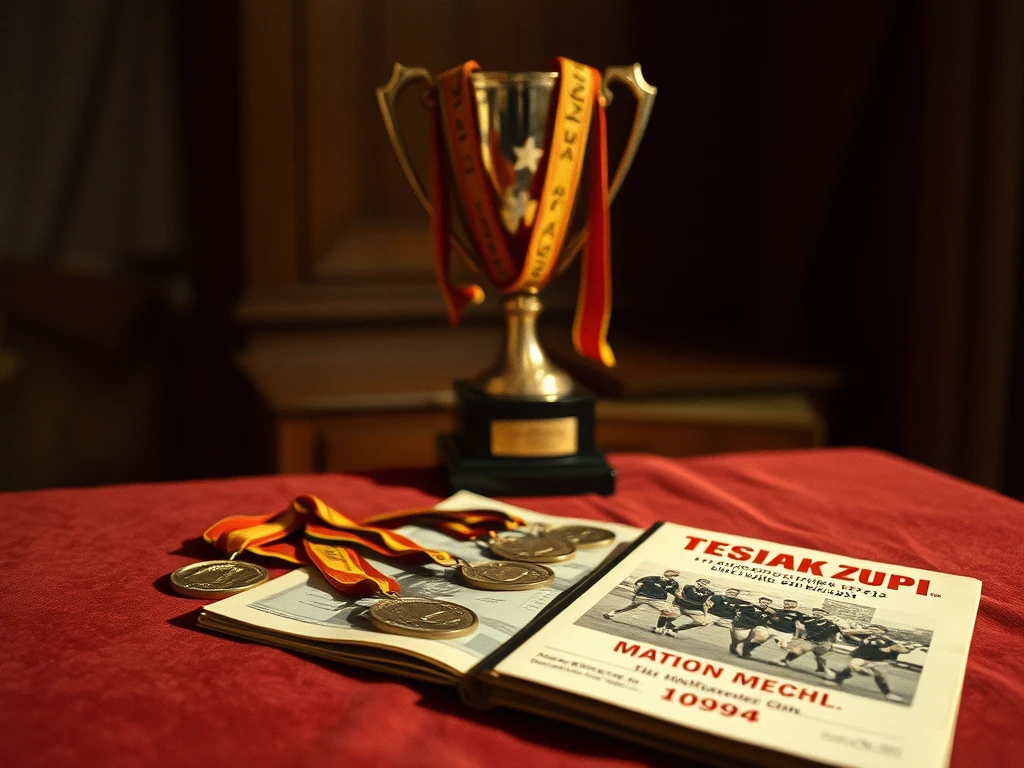
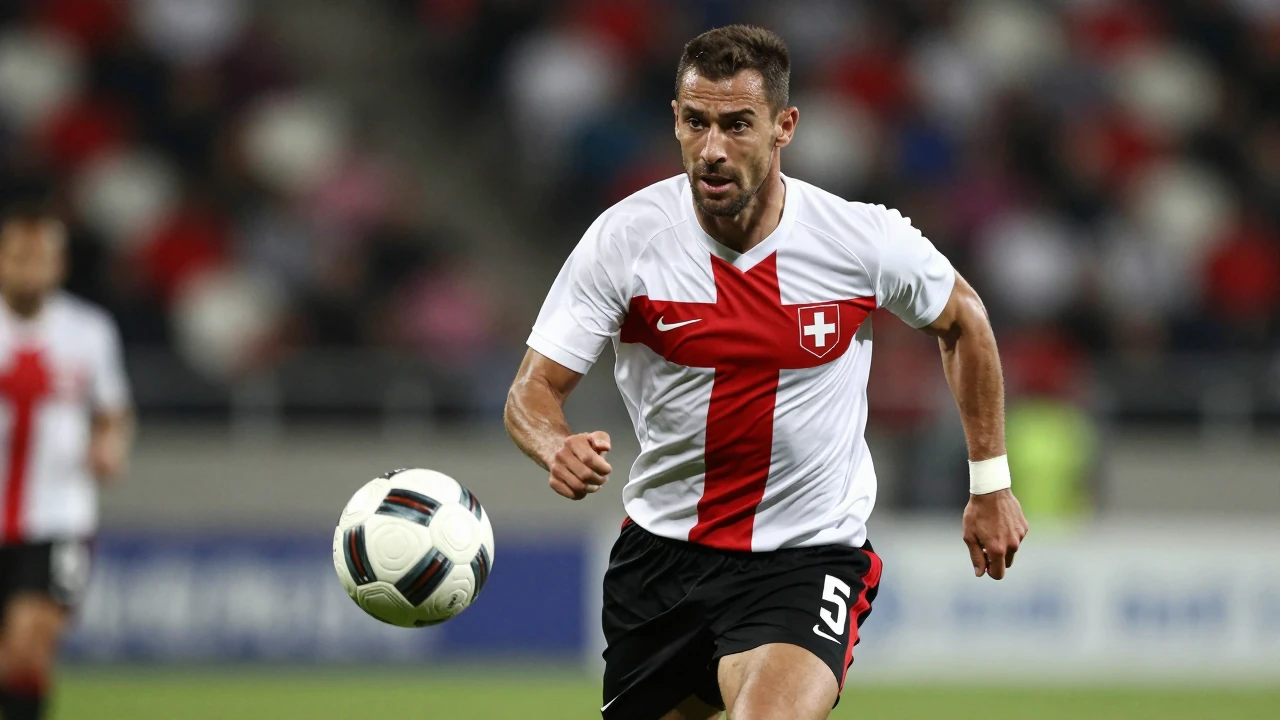
The 1950 FIFA World Cup in Brazil is a notable moment in the history of the Swiss national team. At a time when the world was still reeling from the aftermath of World War II, Switzerland's participation in this tournament symbolized hope and rebuilding. The Nati, placed in Group 4 alongside Brazil, Yugoslavia, and Mexico, faced a tremendous challenge.
The opening match against Brazil on June 17, 1950, in Belo Horizonte was a significant task for the Swiss. Brazil was not just the host but also a football giant. The Nati fielded a mix of experienced players and young talents, showcasing their unwillingness to simply concede defeat. Despite the immense pressure and the boisterous Brazilian fans, the Swiss held their ground until the 27th minute, when they fell behind due to a goal from Frédéric Chassot.
The Swiss team played with remarkable team spirit and fought until the final whistle. Although they ultimately lost the match 2-1, they left a lasting impression. Their tireless effort and ability to stand firm against a formidable opponent were acknowledged and appreciated by spectators.
In the following match against Yugoslavia on June 20, 1950, the Swiss demonstrated another strong performance. Despite a 3-2 loss, the Nati was once again able to showcase character and fighting spirit. Players like goalkeeper Paul Wüthrich and defender Karl Gazzetta were crucial for the team’s defensive stability, proving that Switzerland could compete at the international level.
The group concluded with another encounter against Mexico on June 24, which also ended in a narrow 1-0 defeat. While Switzerland exited in the group stage, the impression they left was unforgettable. The 1950 World Cup is often regarded as a turning point in Swiss football history, demonstrating that the Nati had the potential to play on the world stage.
This appearance not only marked the first step into a new era of Swiss football but also laid the foundation for future successes. The determination and relentless fighting spirit that the Nati displayed in Brazil are traits that remain deeply rooted in the team's DNA today. As we prepare for the 2026 World Cup, we can reflect on these historical moments and recognize how far we have come and what lies ahead.