Introduction
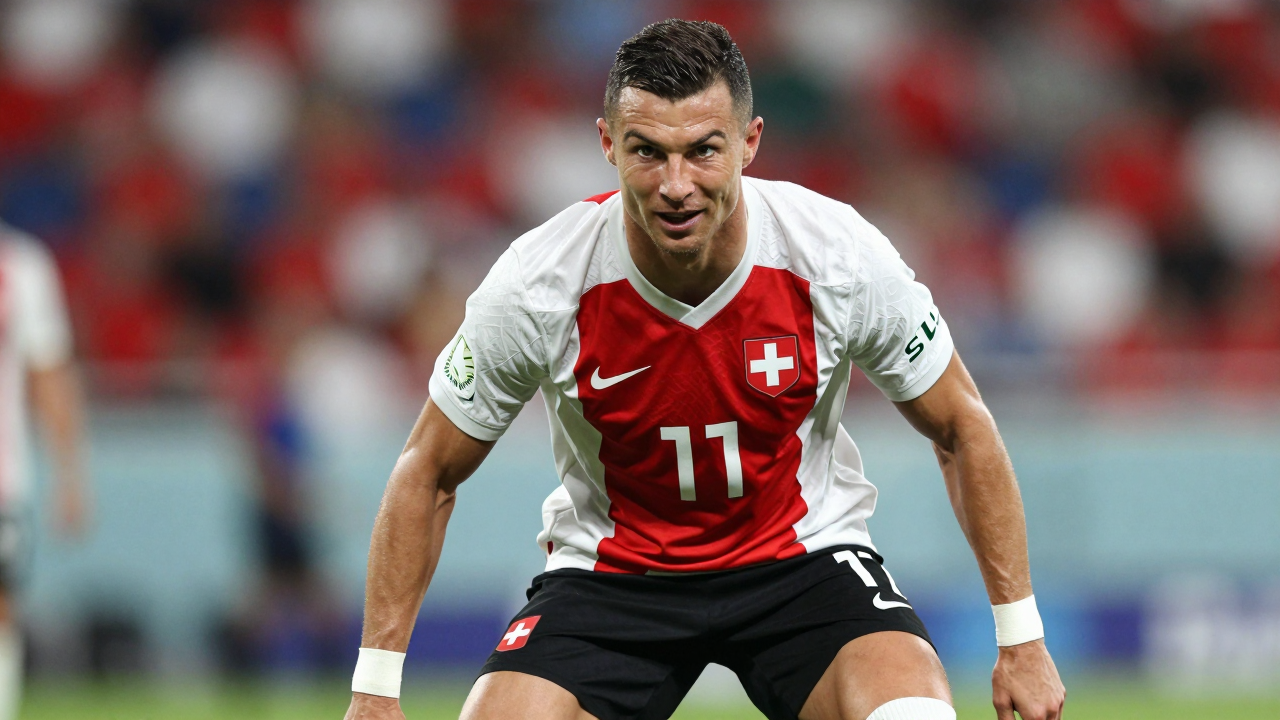
Switzerland is renowned for its cultural diversity, reflected not only in its landscapes but also in its languages. With four official languages – German, French, Italian, and Romansh – the national team, known as the Nati, embodies this diversity. The upcoming FIFA World Cup 2026 could be a pivotal moment for Switzerland to showcase its unity and strength.
The Role of Languages in the Nati
The four languages of Switzerland are not just a feature of identity; they are also an integral part of team dynamics. Players from different linguistic regions bring unique perspectives and styles to the Nati. This diversity not only enhances communication on the pitch but also fosters team spirit.
- German: The majority of players speak German, which often serves as a common ground.
- French: Players like Granit Xhaka and Haris Seferović have often played crucial roles and bring the French perspective into the mix.
- Italian: The Italian-speaking players, including Gianluca Gaudino, contribute to cultural diversity and strategic thinking.
- Romansh: This language may be less common, but its representatives, like Nico Elvedi, show that even the smallest language groups have a voice in the team.
Tactical Breakdown of the Nati
Switzerland has established itself as a strong and flexible team in recent years. Under the guidance of coach Murat Yakin, the squad has developed a clear tactical plan that works both defensively and offensively. The Nati is known for its ability to adapt to different playing styles, which will be particularly important when facing stronger opponents.
- Defensive Stability: The defense, led by Manuel Akanji and Stefan Lichtsteiner, is known for its robustness and teamwork.
- Offensive Creativity: Players like Xherdan Shaqiri and Breel Embolo provide the necessary creativity in midfield and attack.
- Flexible System: Yakin has effectively utilized the team's ability to switch between various formations to maximize players' strengths.
What This Means for Switzerland
The upcoming World Cup is a unique opportunity for Switzerland to showcase its cultural diversity on a global stage. The Nati has the chance to not only achieve sporting success but also to serve as a symbol of unity and collaboration within Switzerland. The different linguistic regions will unite in stadiums and in front of screens to support their team.
Fan Reaction and Outlook
Excitement is building among fans. Many hope the Nati will perform well in the group stage and advance to the knockout rounds. Swiss fans are known for their passion and support, which they show for their team regardless of where the match is played.
- Unity: Fans from all linguistic regions come together to show their love for football.
- Expectations: Fans expect improvement compared to the last World Cup, where the Nati was eliminated in the Round of 16.
- Support: Social media is filled with expressions of support and mobilizations for the Nati.
Counter-Take
Critics will argue that the Nati hasn't delivered enough in recent major tournaments. Despite a solid squad, there are concerns about whether the team can deliver the expected performances under pressure. It remains to be seen if Yakin can find the right strategy to silence the skeptical voices.
What's Next
The FIFA World Cup 2026 will be a crucial test for the Nati. The players must prepare not only for the games but also for the immense support and expectations resting on their shoulders. If the Nati can turn its diversity into strength, it could lead to one of the most memorable chapters in Swiss football history.